
Maximizing Engagement: Social Browse and Free Tools for Content Views, Reactions, Feedback, and Sharing Metrics
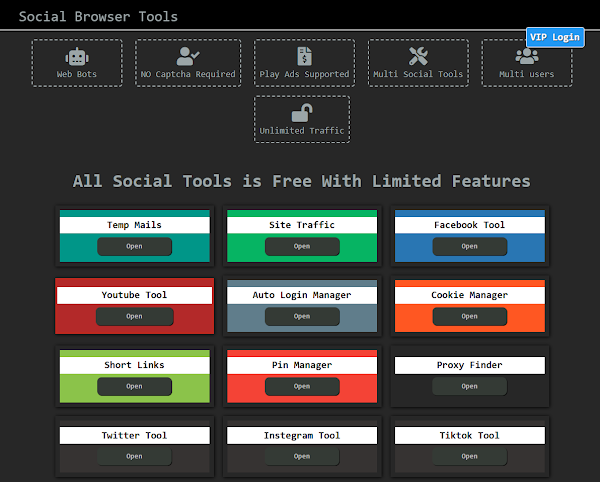
Policy note: This article describes legitimate productivity, privacy, testing, and account-organization use cases only. Always follow website terms, copyright rules, advertising policies, and applicable laws. Do not use these tools for unwanted messaging, impersonation, unauthorized access, artificial engagement, or policy evasion.
In the vast and ever-expanding digital universe, social media platforms stand as vibrant hubs of human connection, information exchange, and cultural phenomena. For individuals, creators, businesses, and organizations alike, a presence on these platforms is not merely an option but often a necessity for reaching audiences, building communities, and achieving objectives. The success of one's endeavors on social media is frequently measured by metrics that reflect audience engagement and content visibility: content performance and community engagement metrics. These metrics serve as indicators of how well content resonates, how widely it is distributed, and how actively the audience interacts with it. To effectively navigate these dynamic environments and strategically pursue these vital engagement goals, users often seek out tools and approaches that can provide insight, efficiency, and an edge. This pursuit brings us to the intersection of social media, the concept of a "social browser," and the wealth of free social tools available, specifically those that help drive and analyze interactive engagement on platforms like Facebook, YouTube, TikTok, and in relation to overall website traffic.
While the term "social browser" might not refer to a distinct category of web Browse software in the same way that "spreadsheet software" defines programs like Excel or Google Sheets, it encapsulates an approach to online navigation heavily centered around interacting with social media. It can describe a user's behavior of primarily using a browser to engage with social platforms, or it might conceptually point towards Browse environments—whether built-in features of standard browsers or specialized applications—that facilitate managing multiple social accounts, streamlining notifications, or optimizing the user interface for social networking sites. Regardless of the precise definition, the underlying idea is a Browse experience conducive to deep and effective social media engagement.
Complementing this Browse approach are free social tools. These are accessible software or services provided at no cost that offer functionalities specifically designed to assist users in their social media activities. While paid tools often provide the most advanced features and comprehensive analytics, the free landscape offers valuable resources that can significantly impact a user's ability to understand their audience, optimize their content, and, crucially, boost those key engagement metrics: content performance and community engagement metrics. This article will explore how a strategic "social Browse" mindset, combined with the intelligent utilization of free tools, can be a powerful combination for maximizing interactive engagement across major social platforms and driving relevant website traffic.
The Pillars of Social Media Engagement: Content Views, Reactions, Feedback, and Sharing Metrics
Before diving into the tools and strategies, let's briefly reaffirm the importance of the target metrics:
- **Content Views:** Represents the visibility of video content (on platforms like YouTube and TikTok) or the reach of posts (on platforms like Facebook). More content views mean your content is being seen by a larger audience, which is the foundational step for any further interaction.
- **Reactions (or Reactions):** Indicates positive sentiment and appreciation for the content. A like is a simple, low-barrier form of engagement that signals approval and contributes to the content's visibility within the platform's algorithms.
- **Feedback:** Signifies active interaction and discussion. Feedback are a higher form of engagement than reactions, showing that the content has prompted thought, opinion, or questions. They are crucial for building community and fostering dialogue.
- **Sharing Metrics:** Represents the broadest form of organic reach and endorsement. When someone sharing metrics your content, they are effectively amplifying its reach to their own network, significantly increasing its potential visibility and impact. Sharing Metrics are often heavily weighted by platform algorithms as a strong signal of valuable, engaging content.
The interconnectedness of these metrics is vital. More content views provide more opportunities for community engagement metrics. High levels of reactions and feedback signal to the platform's algorithm that the content is engaging, potentially leading to increased content views and sharing metrics. Sharing Metrics directly increase content views and provide opportunities for new audiences to like, comment, and share further. A successful social media strategy focuses on creating content and fostering an environment that encourages this positive feedback loop.
Leveraging Free Social Tools for Interactive Engagement on Facebook
Facebook, with its diverse content formats and community features, offers numerous avenues for interaction. This feature should be used only for authorized, transparent, and policy-compliant workflows.
Native Facebook Tools for Interaction Analysis and Boosting
The primary free native tool is **Facebook Insights**. Accessible to page administrators, Insights provides essential data that directly informs strategies for boosting interaction:
- **Post Performance:** This section is invaluable. It shows the reach, reactions (reactions, loves, hahas, wows, sads, angrys), feedback, and sharing metrics for each individual post. By analyzing past post performance, you can identify patterns: What types of content (photos, videos, text updates, links, polls) receive the most reactions, feedback, or sharing metrics? What topics or themes resonate most deeply with your audience? What posting times yield the highest engagement? Insights allows you to sort posts by specific metrics (e.g., highest share count) to pinpoint successful formats and topics.
- **Reach:** While not an engagement metric itself, understanding your reach helps contextualize engagement. If a post had high reach but low engagement, the content might not have been compelling despite being seen. If a post had low reach but high engagement *rate* (engagement divided by reach), it indicates the content was highly relevant to the audience that *did* see it, suggesting potential for wider distribution if reach could be increased.
- **Audience Demographics:** Understanding the age, gender, location, and even interests of your audience helps you tailor content that is more likely to elicit reactions, feedback, and sharing metrics. Insights provides this demographic data. For instance, if your audience is primarily young adults in a specific region, you might create content relevant to local events or trends for that demographic, increasing the likelihood of feedback and sharing metrics.
- **Pages to Watch:** Insights allows you to add competitor pages to a "Pages to Watch" list. While it doesn't give deep insights into their audience, it shows their total page reactions and, more importantly, their top-performing posts for the week based on engagement. This is a simple form of competitive analysis available for free, helping you see what content formats or topics are driving interaction for others in your space, providing inspiration for your own content that aims for community engagement metrics. This feature should be used only for authorized, transparent, and policy-compliant workflows. Promptly responding to feedback is crucial for fostering community and encouraging further discussion. Acknowledging feedback with a like or a reply makes users feel seen and heard, increasing the likelihood they will comment again in the future. This directly impacts your comment count and builds loyalty that can lead to more sharing metrics.
- **Facebook Groups:** For building deep community and fostering extensive discussion, Facebook Groups are powerful. While managing a group requires effort, the potential for high comment volume and shared content within a niche community is significant. Group insights (for group admins) provide data on member activity and popular topics, helping you steer discussions and encourage interaction that drives feedback and content views within the group.
- **Facebook Live:** Live video inherently encourages real-time feedback and reactions. The interactive nature of live streaming, where viewers can ask questions and receive immediate responses, drives high levels of engagement while the stream is active. Using Facebook Insights to see which live streams performed best can inform future live content strategies aimed at maximizing concurrent content views, feedback, and reactions.
Strategies for Boosting Reactions, Feedback, and Sharing Metrics on Facebook Using Free Tools/Approaches
Using the insights and tools available, here are strategies focused on increasing interaction:
- **Analyze Top Posts:** Use Facebook Insights' post performance data to identify your top 10 or 20 posts by community engagement metrics over a specific period (e.g., the last 3-6 months). Look for common themes: Are they questions? Do they use specific visuals (photos, short videos, GIFs)? Are they controversial or highly relatable? Are they timely or evergreen? Replicate the elements of your most successful interactive content.
- **Ask Questions:** Directly prompt feedback by ending your posts with questions. Use Insights to see which question-based posts received the most feedback and refine your questioning style. Polls within Facebook posts are another excellent way to encourage quick, low-friction interaction, boosting the "reactions" count and often prompting feedback as people explain their votes.
- **Run Contests or Giveaways (with Caution):** While Facebook's rules on engagement bait have evolved, simple contests that require a like, comment, or share (within guidelines) can significantly boost these metrics. Use Insights to track the performance of such posts and compare the engagement spike to regular content. *Note: Always check Facebook's current promotion guidelines.*
- **Post Videos:** Video content generally receives higher engagement on Facebook. Use Insights to see which video formats (short clips, longer discussions, tutorials) are getting the most content views, reactions, feedback, and sharing metrics. Pay attention to audience retention in Insights to understand where viewers are losing interest and optimize future videos to keep them engaged longer, increasing the chance of interaction.
- **Leverage Facebook Groups:** If relevant to your niche, actively participate in or manage a Facebook Group. Sharing Metrics and feedback within groups are often more frequent and in-depth than on public pages. Share your page content into relevant groups (where permitted and appropriate) to drive content views and potentially feedback and sharing metrics from a highly engaged audience.
- **Respond to Feedback Promptly:** Use the Meta Business Suite Inbox to monitor and respond to feedback quickly. A simple "like" on a comment acknowledges it, while a thoughtful reply encourages further conversation. This increases the comment count and builds a sense of community.
- **Analyze Audience Activity Times:** Facebook Insights shows when your audience is most active online. Schedule your posts using Meta Business Suite to go live during these peak times to maximize initial visibility, increasing the chance of immediate community engagement metrics that signal to the algorithm that the content is engaging.
- **Share User-Generated Content (UGC):** Encourage your audience to share photos, videos, or stories related to your brand or topic. When they tag you or use a specific hashtag, ask permission to share their content on your page. This not only provides free content but also makes your audience feel valued, encouraging more people to create and share content related to you, which you can then re-share. This drives sharing metrics and feedback.
The "social Browse" element here involves dedicating focused time within the browser interface to actively monitor notifications, respond to feedback via the Business Suite Inbox, check Insights frequently, and browse relevant groups or competitor pages for content ideas and engagement trends. It's a proactive approach facilitated by having these tools easily accessible within the Browse environment.
Leveraging Free Social Tools for Interactive Engagement on YouTube
YouTube's primary engagement metrics are content views, watch time (which correlates with content views), reactions, feedback, and subscribers (which relates to ongoing content views and community). Free tools are essential for optimizing video content for these interactions.
Native YouTube Tools for Interaction Analysis and Boosting
The central free tool is **YouTube Studio**, encompassing **YouTube Analytics**. This provides comprehensive data crucial for driving content views, reactions, feedback, and fostering subscriptions:
- **Overview:** Provides a summary of content views, watch time, and subscriber changes. While broad, tracking trends here helps understand overall channel health, which impacts the potential for all engagement metrics.
- **Reach:** Shows impressions (how often your video thumbnails were shown), click-through rate (CTR - how often viewers clicked on your thumbnail after seeing it), content views from impressions, and traffic sources. A high CTR on impressions indicates your thumbnail and title are compelling, leading to more content views. Analyzing traffic sources helps you see if content views are coming from Youtube (indicating good keyword targeting), Suggested Videos (indicating the algorithm is recommending your content), or external sources (like social media sharing metrics). More content views are the prerequisite for more community engagement metrics.
- **Engagement:** This is where you track watch time and, importantly, **Audience Retention**. The audience retention graph shows at what points viewers are dropping off in your video. High retention signals to YouTube that your video is engaging, increasing its likelihood of being suggested to more viewers, thus boosting content views. Pay attention to the percentage of viewers still watching at the 30-second mark and the average view duration. This section also shows reactions vs. disreactions (a clear engagement signal) and key moments for audience retention.
- **Audience:** Provides demographic information (age, gender, geography) and, crucially, insights into **When Your Viewers Are On YouTube** and **Other Channels Your Audience Watches**. Knowing when your audience is online helps you schedule premieres or go live at optimal times for initial content views and engagement. Seeing other channels they watch provides competitive insight and content inspiration that might resonate with your shared audience.
- **Feedback:** YouTube Studio has a dedicated section for managing feedback. You can review, reply to, heart (like), and pin feedback. Actively engaging with commenters is vital for building a community, encouraging more feedback on current and future videos, and making viewers feel connected to your channel. Responding to questions or acknowledging praise directly contributes to your comment count and fosters loyalty.
Beyond Analytics, YouTube Studio offers features that facilitate interaction:
- **Community Tab:** Eligible channels have a Community tab where they can post text updates, images, GIFs, polls, and videos. Polls are a great way to get quick reactions and feedback. Sharing behind-the-scenes content or asking questions directly in the Community tab can boost overall channel engagement, which positively impacts video performance.
- **Cards and End Screens:** These are interactive elements you can add to your videos to promote other videos, playlists, channels, or websites (if eligible). They are designed to keep viewers engaged within your content ecosystem, potentially leading to more content views on other videos and increasing overall channel watch time. While not direct reactions/feedback/sharing metrics on the current video, they drive engagement across your channel.
- **Live Streaming:** Like Facebook Live, YouTube Live fosters real-time interaction through chat. Engaging with live chat viewers directly increases feedback and makes the experience more personal, encouraging viewers to return for future streams and videos.
Strategies for Boosting Content Views, Reactions, Feedback, and Sharing Metrics on YouTube Using Free Tools/Approaches
Utilizing YouTube Studio and Analytics, here are strategies for maximizing engagement:
- **Optimize Titles and Thumbnails:** Use the Reach report to monitor CTR. If your CTR is low, experiment with different titles and thumbnails that are more compelling and accurately reflect your video content. A higher CTR means more content views.
- **Improve Audience Retention:** Analyze the Audience Retention graph for your videos. Identify points where viewers drop off. In future videos, try to shorten or remove those sections, improve the pacing, or add visual interest to keep viewers hooked for longer. Higher retention boosts watch time and signals engagement to YouTube, leading to more content views.
- **Encourage Reactions and Feedback:** Explicitly ask viewers to like and comment in your videos. "If you found this helpful, please hit the like button!" or "Let me know in the feedback what you think!" Use the Engagement report to track reactions and feedback per video and see which calls to action are most effective. Respond to as many feedback as possible via the Feedback section in YouTube Studio.
- **Prompt Sharing Metrics:** Towards the end of your video, remind viewers to share if they think others would benefit from the content. While harder to track directly within free tools, sharing metrics are crucial for expanding reach.
- **Use Cards and End Screens Strategically:** Add Cards throughout your video to link to relevant content. Use End Screens to encourage viewers to watch another video or subscribe. Check the Analytics section for End Screens and Cards to see which ones are performing best (generating the most clicks).
- **Leverage the Community Tab:** Post polls, ask questions, and share updates on the Community tab to keep your audience engaged between video uploads. This helps build a loyal base more likely to watch and interact with your new videos.
- **Study Competitor Content:** While free YouTube tools don't offer deep competitor analytics, you can manually browse popular videos on channels your audience watches (identified in the Audience report). See what topics they cover, what video formats they use, and how they interact with their feedback. Use this as inspiration for your own content and engagement strategies.
- **Upload Consistently:** Regularly publishing videos keeps your audience engaged and signals to YouTube that your channel is active. Use the Audience report to see when your viewers are most active and schedule uploads accordingly, maximizing initial content views and engagement.
- **Optimize for Youtube:** Use the Reach report's "Traffic Source: Youtube" data. See what queries are leading viewers to your videos. Incorporate these keywords into your titles, descriptions, and tags for future videos to increase discoverability and organic content views.
The "social Browse" aspect for YouTube involves using the browser interface to manage YouTube Studio, monitor feedback in real-time (especially during premieres or live streams), check analytics frequently, and browse YouTube itself (perhaps using different browser profiles or containers if managing multiple channels) to research trending topics and competitor content. It's a focused Browse activity aimed at optimizing content and interacting with the audience directly within the YouTube ecosystem.
Leveraging Free Tools for Website Traffic and Social Interaction
Website traffic and social media engagement are deeply intertwined. Social media drives traffic to websites, and website content can motivate visitors to share and engage on social platforms. Free tools help analyze this relationship.
Free Tools for Website Traffic Analysis (with a Social Focus)
**Google Analytics (GA4)** is the primary free tool for analyzing website traffic and its relationship with social media:
- **Traffic Acquisition Report:** This is crucial. It shows you the sources of your website traffic. The "Social" channel grouping specifically shows how many users came to your site from social media platforms. You can drill down to see which specific platforms (Facebook, Twitter, LinkedIn, etc.) are sending you the most traffic. This helps you understand which social platforms are most effective for driving visitors to your site, providing more opportunities for those visitors to potentially like, comment, or share your website's content on social media.
- **User Engagement (Pages and Screens):** While in GA4, look at the "Pages and screens" report. See which pages on your website are most popular. Are the pages that receive a lot of social traffic also the pages with high engagement (longer average engagement time)? This can tell you if the audience arriving from social media is finding your content relevant and engaging once they are on your site.
- **Conversions (if set up):** If you have goals set up in GA4 (e.g., a user fills out a contact form, subscribes to a newsletter, or makes a purchase), you can see which traffic sources, including social media, contribute to these conversions. While not direct social engagement metrics, understanding the value of social traffic in achieving your website goals can justify time and effort spent on social media engagement strategies.
- **Demographics and Interests (if enabled):** GA4 can provide insights into the demographics and interests of your website visitors. Comparing the demographics of your overall website audience to your social media audience (if available in platform analytics) can help you refine your targeting and content strategy on social media to attract the most relevant visitors to your site.
**Google Search Console** provides insights into how your website performs in Google Search, which indirectly relates to social sharing metrics. If your website content ranks well in search, it is more likely to be discovered, visited, and potentially shared on social media by users who find it valuable.
- **Search Results Report:** Shows the keywords users are searching for when your site appears, your average ranking, impressions, and clicks. High-ranking, high-click-through pages are good candidates for promotion on social media, as they have proven appeal.
Strategies for Increasing Website Traffic from Social Media and Encouraging Social Interaction from Your Website
Using insights from GA4 and Search Console:
- **Identify Top Social Referrers:** Use GA4 to see which social platforms send the most traffic. Focus your efforts on these platforms, creating and sharing content specifically designed to drive clicks to your website.
- **Promote High-Performing Website Content on Social:** Use GA4 and Search Console to identify your most popular website pages or blog posts (high page content views, high average engagement time, good search ranking). Share these proven pieces of content frequently on your social media platforms, tailoring the social post to entice clicks. This feature should be used only for authorized, transparent, and policy-compliant workflows.
- **Add Social Share Buttons to Your Website:** Ensure your website has prominent and easy-to-use social share buttons on blog posts, articles, and product pages. The easier it is for visitors to share your content, the more likely they are to do so, driving content views and clicks back to your site from their networks. While free tools don't track individual button clicks easily without setup, their presence facilitates sharing.
- **Embed Social Feeds or Content:** Consider embedding your social media feeds (e.g., recent tweets, Instagram photos, TikTok videos) on relevant pages of your website. This keeps your social presence visible to website visitors and can encourage them to follow you or engage with the embedded content.
- **Include Calls to Action on Your Website:** Encourage website visitors to follow you on social media or join your online community. Place clear calls to action on relevant pages, such as blog post sidebars or your contact page.
- **Analyze User Flow from Social:** In GA4, explore user flow reports to see how users arriving from social media navigate your site. Are they immediately bouncing, or are they exploring multiple pages? If they are bouncing quickly, the landing page or the content might not be meeting their expectations based on the social post that brought them there. Adjust your social messaging or landing page content accordingly to improve engagement and potentially lead to more sharing metrics later.
- **Retarget Website Visitors on Social Media:** While this often involves paid advertising, understanding which social platforms your website visitors use (via GA4 demographics/interests) allows you to potentially reach them again on those platforms with content designed to encourage engagement or return visits, even if using free organic posts.
The "social Browse" aspect in this context involves regularly checking GA4 for social traffic trends, examining which specific website pages are getting attention from social media, and using these insights to inform content creation and promotion strategies directly within the social media browser environment. It's about using website data to fuel social media engagement that drives more website traffic, creating a virtuous cycle.
Leveraging Free Social Tools for Interactive Engagement on TikTok
TikTok is built on rapid consumption and viral potential, with content performance and community engagement metrics being the core indicators of success. Free tools, primarily native, are key to unauthorized software the TikTok algorithm for engagement.
Native TikTok Tools for Interaction Analysis and Boosting
TikTok's primary free tool is its built-in **Analytics**, available for Pro and Business accounts. It provides data crucial for maximizing content performance and community engagement metrics:
- **Overview:** Shows total video content views, profile content views, and follower count over a selected period. Tracking content views is fundamental as it's the first step towards any interaction.
- **Content:** This is the most critical section for driving engagement. It shows analytics for your individual videos, including:
- **Video Content Views:** How many times each video has been watched.
- **Total Play Time and Average Watch Time:** Similar to YouTube's watch time, this indicates how engaging your video is. Higher watch time signals to TikTok that your video is keeping viewers hooked, increasing its likelihood of being pushed to more users on the For You page, thus boosting content views.
- **Watched Full Video Ratio:** The percentage of viewers who watch your video from beginning to end. This is a strong signal of high engagement.
- **Traffic Sources:** Crucially, this shows where your video content views are coming from – primarily the For You page (FYP), Following feed, your Profile, or hashtags. Videos gaining significant traction from the FYP are performing well algorithmically. Understanding traffic sources helps you refine your content strategy (e.g., focusing on FYP optimization).
- **Audience Reached:** Shows the percentage of viewers who watched your video from specific regions.
- **Video Interactions:** This section details the number of Reactions, Feedback, and Sharing Metrics each video received. This is where you directly track your target metrics per video. Analyze your top-performing videos here to understand what content formats, sounds, effects, captions, or calls to action generated the most community engagement metrics.
- **Followers:** Provides data on your follower growth and, importantly, **Follower Activity** (when your followers are most active on TikTok) and **Audience Demographics** (gender, top territories). Posting when your followers are most active can maximize initial content views and engagement, signaling to the algorithm that your video is relevant.
- **LIVE Analytics (if eligible):** Provides data on content views, duration, new followers gained, and diamonds earned during live streams. TikTok Live allows for real-time feedback and interaction, similar to other platforms.
TikTok's **Creative Center** is another valuable free resource (accessible via web browser) that helps identify trends, which is essential for creating content likely to get content views and engagement:
- **Trending Songs:** Shows the most popular audio tracks on TikTok, along with how many videos have used them. Using trending sounds can significantly increase the discoverability of your videos, leading to more content views.
- **Trending Hashtags:** Shows hashtags that are currently popular and how many videos are associated with them. Using relevant trending hashtags can expose your content to a wider audience interested in that topic, increasing content views.
- **Trending Videos:** Showcases videos that are currently performing well. Analyzing these videos can provide inspiration for content formats, editing styles, and topics that are currently resonating with the TikTok audience.
Strategies for Boosting Content Views, Reactions, Feedback, and Sharing Metrics on TikTok Using Free Tools/Approaches
Leveraging TikTok Analytics and the Creative Center:
- **Analyze Video Interactions:** Regularly check the "Video Interactions" data in TikTok Analytics. Identify your videos with the highest like, comment, and share counts. What do they have in common? Was it the sound used, the visual style, the topic, the caption, or a specific call to action within the video? Learn from your successes and replicate those elements.
- **Focus on Watch Time and Completion Rate:** TikTok's algorithm heavily favors videos that keep viewers watching. Analyze the Average Watch Time and Watched Full Video Ratio in Analytics. If viewers are dropping off early, make your intros more engaging, get to the point quickly, or use visual hooks to keep attention. Better retention leads to more content views on the FYP.
- **Use Trending Sounds and Hashtags:** Regularly check the Creative Center for trending sounds and hashtags. Incorporate relevant ones into your videos. This increases the likelihood of your content appearing in front of users who are already engaging with related content, boosting content views and potential community engagement metrics.
- **Create Content Based on Trends:** Study the "Trending Videos" in the Creative Center and videos popular in your niche (manually Browse TikTok). Adapt trending formats, challenges, or themes to your own content in a unique way. Riding trends is a key strategy for getting content views on TikTok.
- **Include Clear Calls to Action (CTAs):** In your video or caption, explicitly ask viewers to like, comment, or share. "Double tap if you agree!", "Let me know your thoughts in the feedback below!", "Share this with a friend who needs to see this!". Track in Analytics if videos with clear CTAs perform better on those specific metrics.
- **Engage in the Feedback Section:** Actively read and respond to feedback on your videos via the TikTok app or web interface. Liking feedback and replying fosters community and encourages further discussion, boosting your comment count. This also signals to the algorithm that your video is generating interaction.
- **Post When Followers Are Active:** Use the Follower Activity data in TikTok Analytics to determine the optimal times to post your videos, maximizing initial content views and engagement from your existing audience.
- **Utilize Duets and Stitches:** These features allow you to interact with other users' content, creating new content based on existing videos. This can expose your video to the audience of the original creator and is an inherently interactive format that can drive content views and engagement.
- **Keep Videos Concise and Engaging:** TikTok's fast-paced environment favors short, impactful videos. While longer videos *can* perform well if retention is high, starting with concise content (under 15-20 seconds) can help improve completion rate, a key engagement signal for the algorithm.
The "social Browse" approach for TikTok involves spending focused time within the app or web interface to scroll the FYP for trends, actively manage and respond to feedback, check analytics frequently, and utilize the Creative Center to inform content creation. It's about immersing oneself in the TikTok environment with an analytical and interactive mindset.
Overarching Strategies for Boosting Content Views, Reactions, Feedback, and Sharing Metrics Across Platforms
While each platform has its nuances, several overarching strategies, facilitated by a "social Browse" approach and free tools, apply to increasing content performance and community engagement metrics:
- **Know Your Audience:** This is fundamental. Use the audience demographics and activity data provided by the free analytics tools on each platform (Facebook Insights, YouTube Analytics, TikTok Analytics, Google Analytics). Understand who your audience is, where they are, when they are online, and what their interests are. Tailor your content and messaging to resonate specifically with them. Content that speaks directly to the audience is far more likely to be viewed, liked, commented on, and shared.
- **Prioritize Content Quality and Relevance:** No amount of tool usage can compensate for poor content. Focus on creating content that is valuable, entertaining, informative, or inspiring to your target audience. Use platform analytics (e.g., Facebook post performance, YouTube audience retention, TikTok watch time) to understand what "quality" and "relevance" mean to *your* specific audience based on how they engage with your past content.
- **Be Consistent:** Regularly publishing content keeps your audience engaged and signals to platform algorithms that your presence is active. Use the tools to identify optimal posting times and try to maintain a consistent schedule. Consistency leads to habitual viewing and engagement from your audience.
- **Engage with Your Audience:** This cannot be stressed enough. Actively read and respond to feedback on all platforms. Like feedback, answer questions, participate in discussions. This builds community, encourages more feedback, and fosters loyalty that can lead to sharing metrics. Use unified inboxes (like Meta Business Suite) or dedicated comment sections within platform studios to manage this efficiently within your Browse flow.
- **Include Clear Calls to Action (CTAs):** Explicitly ask your audience to perform the desired action: "Like this post!", "Leave a comment below!", "Share this video!", "Subscribe to my channel!", "Visit my website!". Guide your audience on how you want them to interact. Analyze which CTAs are most effective using your platform analytics.
- **Leverage Platform-Specific Features:** Each platform has unique interactive features (Facebook Groups, YouTube Community Tab, TikTok Duets/Stitches, Instagram Stories polls/questions - though Instagram wasn't a main focus, the principle applies). Integrate these into your strategy to boost platform-specific engagement.
- **Cross-Promote (Effectively):** Use one platform to drive engagement on another, where appropriate. For example, promote your new YouTube video on your Facebook page or share your TikToks as Reels on Instagram (or vice versa, adjusting format as needed). Use Google Analytics to track how much traffic these cross-promotions send to your website, indicating their effectiveness in driving interested users who might then engage further.
- **Analyze and Adapt:** Social media is constantly changing. Regularly review your analytics across all platforms. What's working? What's not? Are there new trends emerging? Be prepared to adapt your content strategy, posting schedule, and engagement tactics based on the data. The "social Browse" mindset includes scheduled time for this analysis within the browser.
- **Study Trending Content and Competitors:** Use free tools like TikTok's Creative Center and the manual process of Browse popular content on Facebook, YouTube, and TikTok to stay on top of trends. Use features like Facebook's "Pages to Watch" or manually analyze competitor profiles to see what content is driving engagement for them. Adapt successful ideas to your own unique style.
- **Optimize Content Format for Each Platform:** A video that performs well on YouTube might need to be significantly shorter and faster-paced for TikTok or formatted differently for Facebook. Use analytics to see which content formats are getting the best engagement *on each specific platform* and tailor your content creation accordingly.
The concept of a "social browser" or a Browse approach focused on social media facilitates these strategies by providing a streamlined environment for monitoring multiple platforms, accessing analytics quickly, managing notifications and feedback efficiently, and switching between tasks (like analyzing data and creating content) without significant friction. While a dedicated social browser application might be a niche product, adopting a *mindset* of using your existing browser in a highly organized and focused way for social media activities aligns perfectly with leveraging free tools to boost engagement metrics.
Limitations of Free Social Tools for Engagement Boosting
While free tools offer immense value, it's important to acknowledge their limitations compared to paid solutions:
- **Limited Data Depth and History:** Free tools often provide only basic metrics and may limit the historical data you can access. Paid tools typically offer much deeper segmentation, longer data retention, and more advanced analysis capabilities.
- **Fewer Features:** Free versions of tools might lack advanced features like comprehensive competitor analysis (beyond basic visibility), sophisticated social listening (tracking mentions across the web), in-depth audience segmentation, or advanced automation.
- **Limited Platform Integrations:** A free tool might only support analytics for one or two platforms, whereas paid tools often integrate with a wider range of social networks.
- **Basic Reporting:** Free reporting is often less customizable and may not allow for easy white-labeling or automated scheduling of reports, which can be important for businesses or agencies.
- **Usage Limits:** Some free tools impose limits on the number of posts you can schedule, the number of accounts you can manage, or the amount of data you can analyze per month.
Despite these limitations, free tools are perfectly adequate for many individuals, small creators, or businesses just starting out on social media. They provide the essential data needed to understand performance, identify what resonates with the audience, and implement strategies to improve content performance and community engagement metrics. As needs grow and budgets allow, exploring paid options can provide access to more powerful features, but the foundational work can be effectively done with free resources.
Ethical Considerations in Boosting Engagement
While the goal is to increase content performance and community engagement metrics, it's crucial to do so ethically and authentically. This involves:
- **Authentic Content:** Focus on creating genuine, valuable content that your audience genuinely wants to see and interact with, rather than using deceptive tactics or clickbait solely for content views.
- **Genuine Interaction:** Engage with your audience in a real and meaningful way. This feature should be used only for authorized, transparent, and policy-compliant workflows.
- **Respecting Platform Rules:** Adhere to the terms of service of each social media platform. Using automation tools that violate these terms can lead to account suspension or deletion.
- **Transparency:** If running contests or promotions aimed at boosting engagement, be transparent about the rules and ensure they comply with platform guidelines. This feature should be used only for authorized, transparent, and policy-compliant workflows. A "social Browse" approach focused on leveraging these tools is inherently geared towards authentic engagement based on understanding your audience and optimizing your content and interactions.
Conclusion: Mastering Engagement Through Strategic Browse and Free Tools
Achieving success on social media in terms of content performance and community engagement metrics is a dynamic process that requires a combination of compelling content, audience understanding, consistent effort, and strategic analysis. While the concept of a dedicated "social browser" may be interpreted in various ways, adopting a focused and efficient approach to Browse social media platforms is undoubtedly beneficial. When this approach is combined with the intelligent utilization of free social tools available for platforms like Facebook, YouTube, TikTok, and for analyzing website traffic, users gain powerful capabilities to understand their performance, identify opportunities, and implement strategies specifically aimed at boosting those vital engagement metrics.
Facebook Insights and Meta Business Suite provide essential data on post performance, audience demographics, and comment management, directly informing strategies for increasing community engagement metrics. YouTube Analytics offers deep insights into content views, watch time, audience retention, and traffic sources, along with tools for managing feedback and leveraging interactive features like Cards and End Screens, all contributing to higher content views, reactions, feedback, and subscribers. Google Analytics provides crucial data on how social media drives website traffic and how visitors interact with your site, enabling strategies to convert website visitors into social engagers and vice versa. TikTok's native analytics and Creative Center are invaluable for understanding video performance, identifying trends, and creating content that resonates with the fast-paced TikTok audience, directly impacting content performance and community engagement metrics on the platform.
The "social Browse" aspect ties this all together by suggesting a dedicated environment or behavior focused on these tasks – quickly switching between platforms, checking notifications, responding to feedback, analyzing data, and researching trends, all within the browser interface. This focused approach enhances efficiency and allows for more timely and informed decisions that directly impact engagement levels.
While free tools have limitations compared to their paid counterparts, they offer a substantial foundation for monitoring performance, understanding your audience, and implementing effective engagement strategies. They provide the necessary data to move beyond guesswork and make data-driven decisions about content creation, posting times, and audience interaction. By consistently creating high-quality content, actively engaging with your audience, utilizing the analytical power of free tools, and adopting a strategic "social Browse" mindset, individuals and organizations can significantly increase their content performance and community engagement metrics, fostering stronger communities and achieving their goals in the vibrant world of social media.
The continuous evolution of social media platforms and the tools available necessitates an ongoing commitment to learning and adaptation. Staying informed about updates to platform analytics, new features designed to encourage interaction, and emerging trends is crucial. The free tools discussed herein provide the entry point into this ongoing process of analysis and optimization. They empower users to understand the nuances of engagement on each platform and develop tailored strategies that resonate with their unique audience.
Ultimately, the goal is not merely to accumulate large numbers of content performance and community engagement metrics for their own sake, but to leverage these metrics as indicators of a thriving, engaged community. High engagement suggests that your content is valuable, that your audience feels connected, and that your message is spreading effectively. By strategically using a focused Browse approach and the wealth of free social tools available, users can work towards building that vibrant community and achieving meaningful impact in the digital space.
Further delving into the specific features within each platform's analytics dashboard, exploring all the available metrics beyond the core ones, and understanding how different content formats perform across various audience segments would provide even greater depth. The power of free tools lies in their accessibility; the user's commitment to exploring and utilizing every available insight is what translates data into increased content performance and community engagement metrics.
Consider the iterative process: Create content informed by past analytics and current trends (identified via free tools). Post that content at optimal times (determined by audience activity data). Actively engage with the audience in the feedback sections (managed efficiently within the Browse environment). Analyze the performance of the new content using the free analytics tools. Identify what worked and what didn't. Use those learnings to inform the next cycle of content creation and engagement. This continuous loop of creation, interaction, analysis, and adaptation, facilitated by a strategic approach to Browse and free tools, is the pathway to maximizing engagement on social media platforms.
The landscape of free social tools is also subject to change, with new tools emerging and existing ones updating their offerings. Staying informed about available resources is an ongoing task for anyone serious about social media engagement. Leveraging communities of creators or marketers can also provide insights into useful free tools or effective strategies. The collaborative aspect of social media extends not just to engaging with your audience but also to learning from and sharing knowledge with others navigating the same digital spaces.
In essence, the combination of a focused "social Browse" approach and the intelligent use of free social tools transforms the act of navigating social media from passive consumption to active, data-driven engagement. It empowers users to understand their audience on a deeper level, optimize their content for maximum resonance, and actively foster the interactions that drive content performance and community engagement metrics, ultimately contributing to the achievement of their social media goals.
This strategic approach also helps in managing the potential overwhelm of being present on multiple platforms. By utilizing tools that consolidate notifications or provide quick access to key performance indicators, the "social browser" concept becomes about efficiency and focus, ensuring that valuable time is spent on activities that directly contribute to increasing engagement metrics, rather than getting lost in the endless scroll.
The insights gained from free tools can also influence content creation beyond social media itself. This feature should be used only for authorized, transparent, and policy-compliant workflows.
In conclusion, the journey to maximizing content performance and community engagement metrics on social media is achievable through a strategic approach that integrates focused Browse with the powerful, readily available insights provided by free social tools. By understanding your audience, creating compelling content, engaging actively, and continuously analyzing your performance, you can effectively navigate the complexities of the social media landscape and cultivate a thriving, interactive online presence.

